The Mykonos Guide: Everything to Know About the Island of the Winds
A comprehensive overview of the history, key landmarks, geography, and travel features of the popular Cycladic Greek island.
- Mykonos is located in the Cyclades and is one of Greece's most popular tourist destinations.
- The island is nicknamed 'The Island of the Winds' and is famous for its windmills and vibrant nightlife.
- The main town, Chora, serves as the primary urban center and tourism hub.
For travellers planning a trip, it is wise to prepare for the strong island winds and plan transport according to the season. Check ferry and flight schedules in advance and consider visiting nearby historical sites like Delos.
Introduction and History
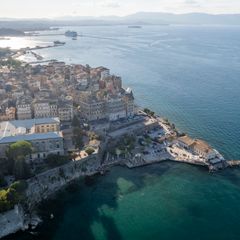
Mykonos is a Greek island belonging to the Cyclades group, situated between Tinos, Syros, Paros, and Naxos. The island covers an area of 85.5 square kilometers, with its highest point rising to 341 meters. According to the 2021 census, the population stands at 10,704 inhabitants, with the majority living in the principal town of Mykonos, also known as Chora, located on the west coast.
The island is widely nicknamed 'The Island of the Winds' due to the very strong winds that frequently blow across it. Historically, Mykonos served as an important transit and supply point for the neighboring island of Delos. Over the centuries, it came under Roman, Byzantine, Venetian, and Ottoman rule before becoming part of the independent Greek state in the 19th century under the leadership of national heroine Manto Mavrogenous.
Key Landmarks and Attractions
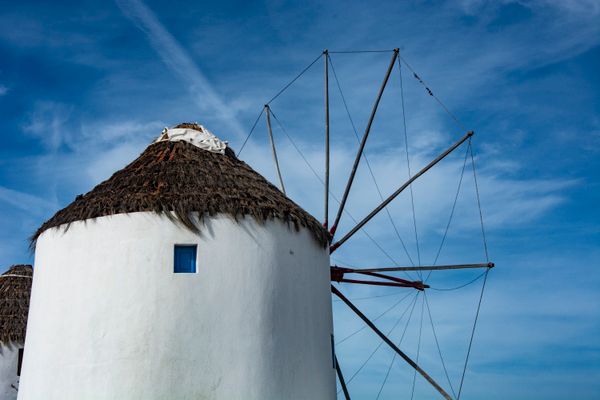
One of the most defining features of the Mykonian landscape is the row of windmills in Chora. Originally built by the Venetians in the 16th century to mill flour, these structures have become an iconic symbol of the island.
Another prominent attraction is Little Venice, a row of 18th-century fishing houses with balconies hanging directly over the sea. Many of these historic buildings have been converted into bars, cafes, and shops, making the area one of the most romantic spots on the island for viewing the sunset.
Additional landmarks include the Archaeological Museum of Mykonos, established in 1905, and the Armenistis Lighthouse located in Fanari, which highlights the island's maritime heritage. Petros the Pelican, the island's long-standing mascot, remains a beloved fixture along the waterfront.
Geography and Climate
Mykonos is composed mostly of granite, featuring a rocky terrain shaped by strong winds. Due to limited natural freshwater resources, the island operates reverse osmosis desalination plants to supply water for residents and visitors.
The climate is classified as hot semi-arid, strongly influenced by the Aegean Sea. The rainy season runs from October to March, while the summer months are sunny, dry, and moderated by the seasonal cool meltemi winds.