The Paros Guide: Villages, Beaches and Cycladic History
An extensive overview of Paros island in the central Aegean Sea, featuring the capital Parikia, traditional villages, popular beaches, and neighboring Antiparos.
- Paros is located in the central Aegean Sea as part of the Cyclades group, offering beaches and cultural events.
- The capital Parikia serves as a major ferry hub connecting the island to Piraeus and other Aegean destinations.
- The island features ancient marble heritage, traditional settlements, and a short ferry crossing to Antiparos.
For Israeli travellers planning a Greek island getaway, Paros offers excellent connectivity via ferries from Athens ports and nearby islands. Check daily sailing schedules in advance, plan transportation through Parikia or Pounda, and explore the local beaches and historic villages according to your travel season.
Geography and Island Layout
Paros is a Greek island situated in the central Aegean Sea and belongs to the Cyclades island group. Located about 150 kilometers south-east of Piraeus and 8 kilometers west of Naxos, the island covers an area of approximately 165 square kilometers. It features a round shape formed by a single mountain sloping down to maritime plains. To the west lies its smaller sister island, Antiparos, separated by a narrow channel less than 2 kilometers wide, where a car-carrying shuttle ferry operates all day from Pounda, south of Parikia.
Parikia and Main Landmarks
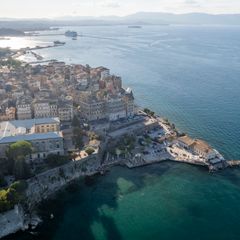
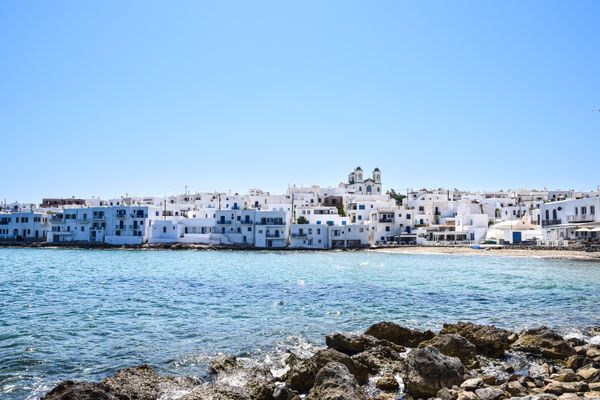
Parikia, the capital situated on a bay on the north-west side, serves as a major ferry hub with frequent sailings to Piraeus, Crete, Naxos, Mykonos, and Santorini. The town showcases traditional Cycladic architecture with flat roofs, whitewashed walls, and blue-painted doors. Notable local sites include the remains of a medieval castle built from ancient temple marble and the historic Panagia Ekatontapiliani church complex near the modern harbor, alongside the Archaeological Museum of Paros which houses regional finds.
Beaches and Watersports
The island features numerous well-known beaches such as Golden Beach near Drios on the east coast, Pounda, Logaras, Piso Livadi, Naousa Bay, Parikia, and Agia Irini. The consistent strong wind blowing in the strait between Paros and Naxos establishes the island as a favored destination for windsurfing enthusiasts.
Villages and Settlements
On the northern side of the island sits Naousa Bay, providing a spacious natural harbor and significant tourism development. On the eastern open plain, the traditional villages of Prodromos, Marmara, and Marpissa preserve a rich local character. Historically known for fine white marble quarries, Paros blends ancient heritage, Venetian era influences, and modern Greek island culture.