Kos Guide: History, Beaches and Towns
A comprehensive overview of Kos island, covering its geography, history, resort towns, and main attractions.
- Kos is the third largest island in the Dodecanese chain.
- Tourism and luxury hotels form the backbone of the local economy.
- The island features a rich historical heritage alongside modern seaside resorts.
For travellers planning a trip to Kos, understanding the layout of the main town, the surrounding villages like Kardamena and Tigaki, and the various coastal areas helps in planning transportation and accommodation. Check local transport schedules in advance.
Geography and Administration
Kos is a Greek island located in the southeastern Aegean Sea, forming part of the Dodecanese island chain. Situated south of Kalymnos and north of Nisyros, the island has a coastline stretching 112 kilometres. Administratively, Kos constitutes a municipality within the South Aegean region, with Kos town serving as the principal settlement and municipal seat.
Towns and Villages
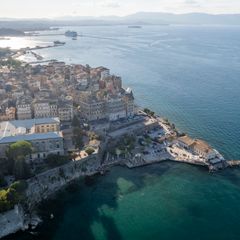
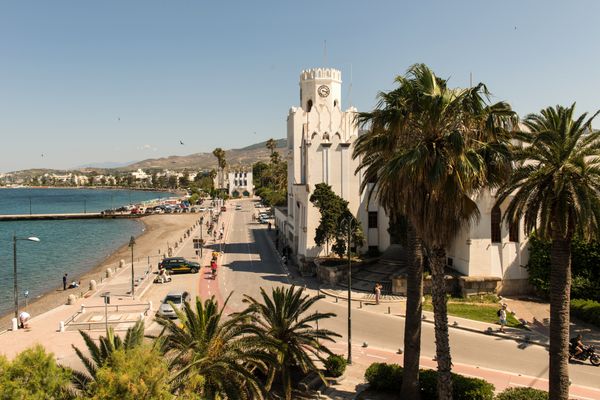
Alongside the main port and town of Kos—known for its whitewashed buildings, cultural centres, and vibrant nightlife—the island features several notable villages and resort areas. These include Kardamena, Kefalos, Tigaki, Antimachia, Mastihari, Marmari, and Pyli, as well as smaller settlements such as Zia, Zipari, Platani, Lagoudi, and Asfendiou.
Economy and Tourism
Tourism is the primary industry on the island, driven largely by its extensive beaches. The last decade has marked a notable shift toward four-star and five-star luxury hotels distributed across the island. Agriculture remains a secondary economic pillar, producing crops such as grapes, almonds, figs, watermelons, olives, tomatoes, wheat, and corn.
History and Heritage
Kos boasts a continuous history documented since antiquity. In classical and Hellenistic times, it developed into an important maritime, cultural, and medical hub in the Aegean. The island houses archaeological remains from its various eras, including ancient sanctuaries, fortifications, and civic structures that reflect its historical significance in the region.