Santorini Guide: History, Villages, and Key Sites
A comprehensive overview of the famous Aegean island, from its volcanic landscapes to ancient historical sites.
- Santorini is the largest island in a circular archipelago in the southern Aegean Sea.
- The island is known for its volcanic history and the ancient Minoan eruption.
- It features important archaeological sites such as Akrotiri and unique caldera views.
For Israeli travellers planning a vacation in Santorini, this guide provides historical and cultural background on the key sites worth visiting. It is helpful to understand the island's volcanic history and the ancient settlement remains at Akrotiri.
Geographic and Geological Background
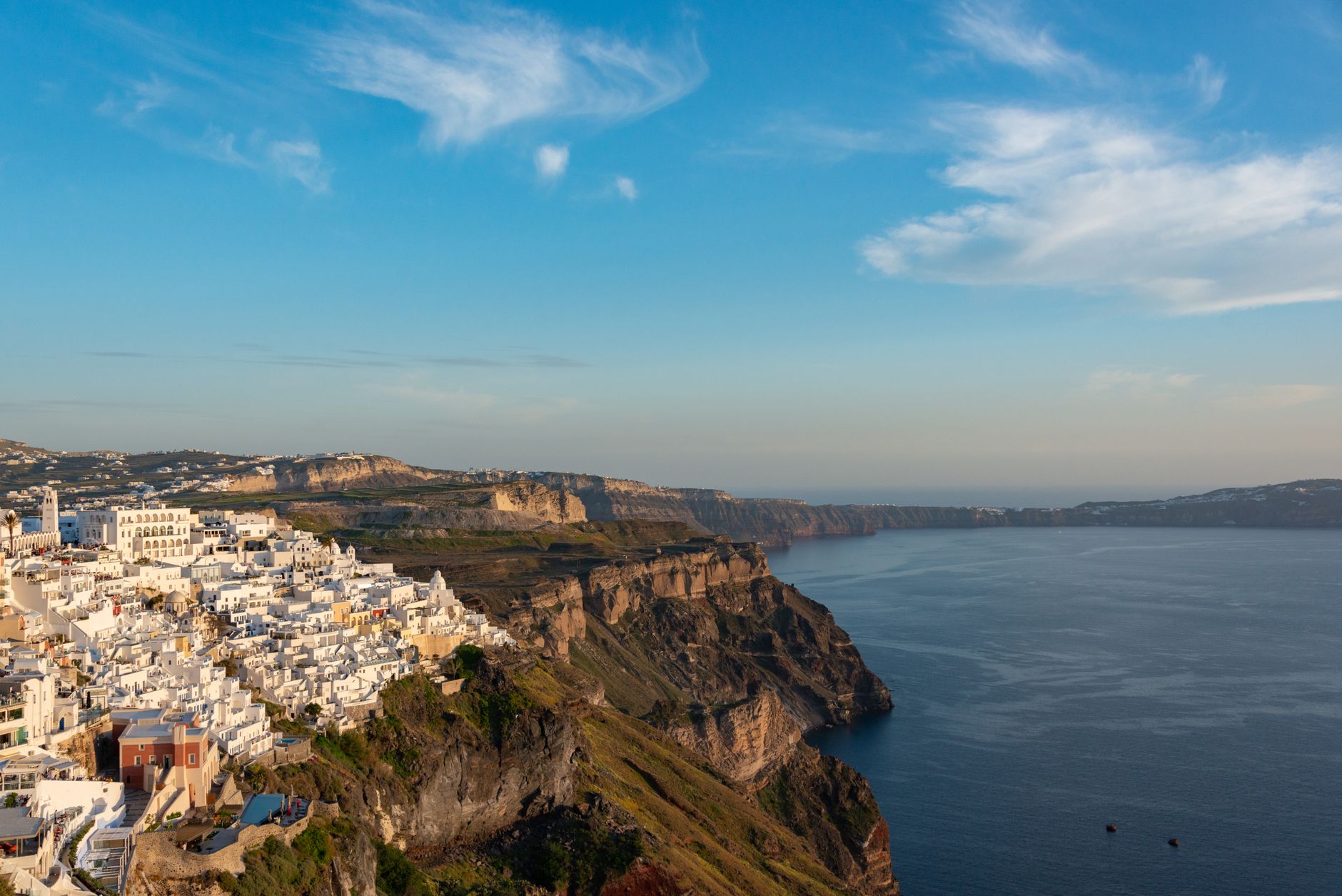
Santorini, officially Thira or Thera, is a Greek island in the southern Aegean Sea, located about 200 km southeast from the mainland. It is the largest island of a small, circular archipelago formed by the Santorini caldera, and is part of the Thira regional unit.
The island is the most active volcanic centre in the South Aegean Volcanic Arc. About 3,600 years ago, one of the largest volcanic eruptions in recorded history struck the island, leaving a large water-filled caldera surrounded by deep volcanic ash deposits.
Names and Ancient History
The name Santorini is a contraction of Saint Irene, after an old church in the village of Perissa, and the island has borne this name since at least the mid-twelfth century. In antiquity, it was known as Thera, and earlier as Kalliste ('the most beautiful one') and Strongyle ('the circular one').
Excavations starting in 1967 at the Akrotiri site have made Thera the best-known Minoan site outside Crete. The ancient town features multi-level buildings, streets, squares, and a highly developed drainage system with running water. The ruins were remarkably preserved under layers of volcanic ash.
Historical Eras and Venetian Rule
Following the Minoan, Hellenistic, and Roman periods, the island passed to the Byzantine Empire. During the medieval period, it came under Venetian rule, which established a sizable Catholic community whose presence is still marked by a local Catholic bishopric.
Santorini's rich history, combining dramatic volcanic geology and ancient archaeological heritage, continues to define its unique character in the Aegean.