The Corfu Guide: History, Beaches, and Nature in the Ionian
A comprehensive overview of the northernmost Ionian island, combining a UNESCO-listed old town, rich nature, and diverse beaches.
- The island is located in northwestern Greece, bordering the Ionian and Adriatic Seas.
- The old town is surrounded by medieval castles and is a recognized UNESCO World Heritage site.
- Mount Pantokrator rises in the mountainous northern district as the highest peak.
For Israeli travellers, Corfu provides an accessible destination featuring varied landscapes and historical landmarks. It is recommended to check transportation options in advance and explore the primary coastal and natural sites before setting out.
Geography and Landscape
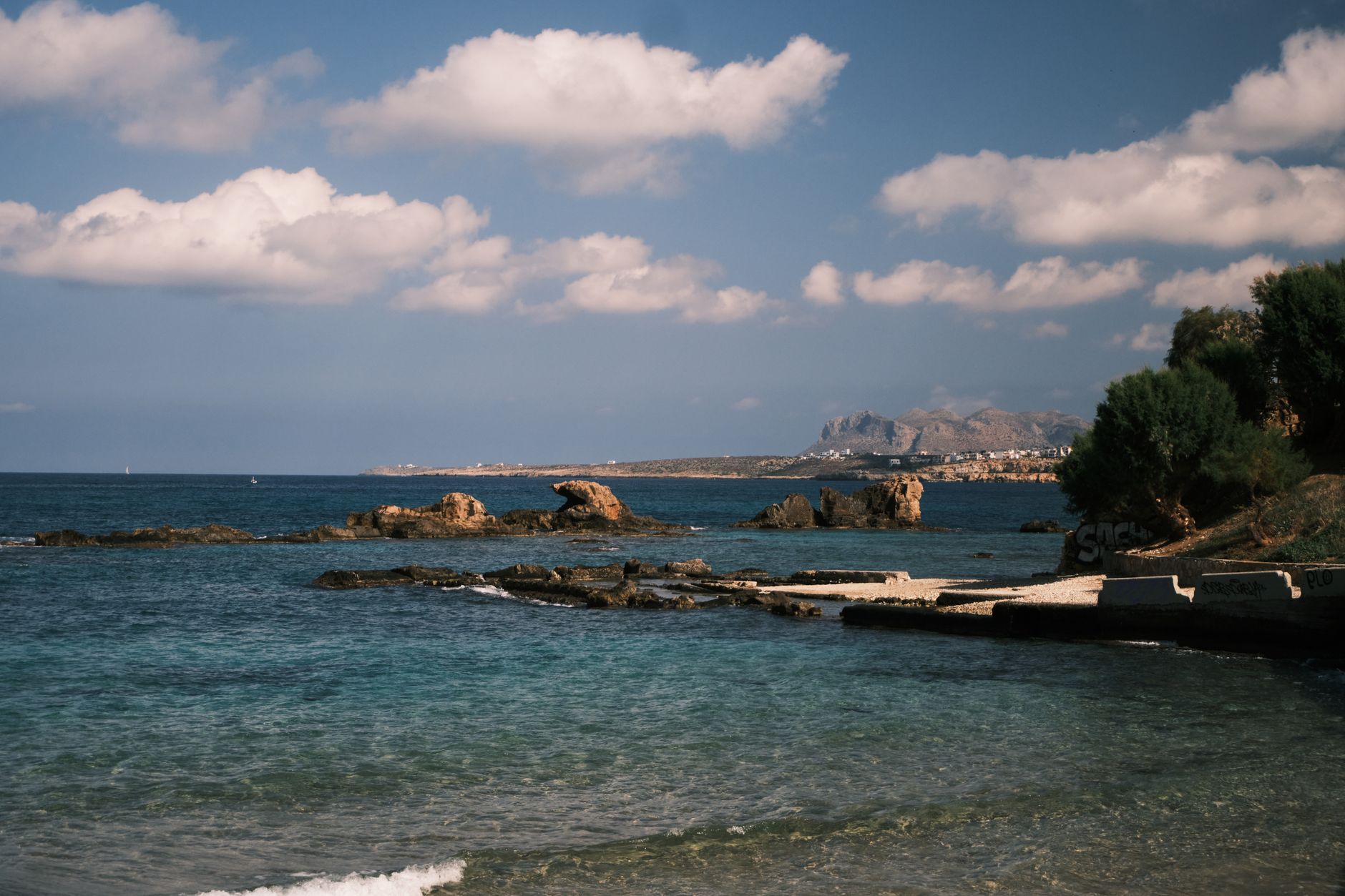
Corfu, also known as Kerkyra, is one of the western Ionian Islands of Greece. The island's shape resembles a sickle and is divided into three distinct districts: the mountainous north, the undulating center, and the low-lying south. Mount Pantokrator stands as the highest summit on the island, offering expansive views. The extensive coastline features capes, cliffs, and numerous sandy beaches.
The Old Town and History
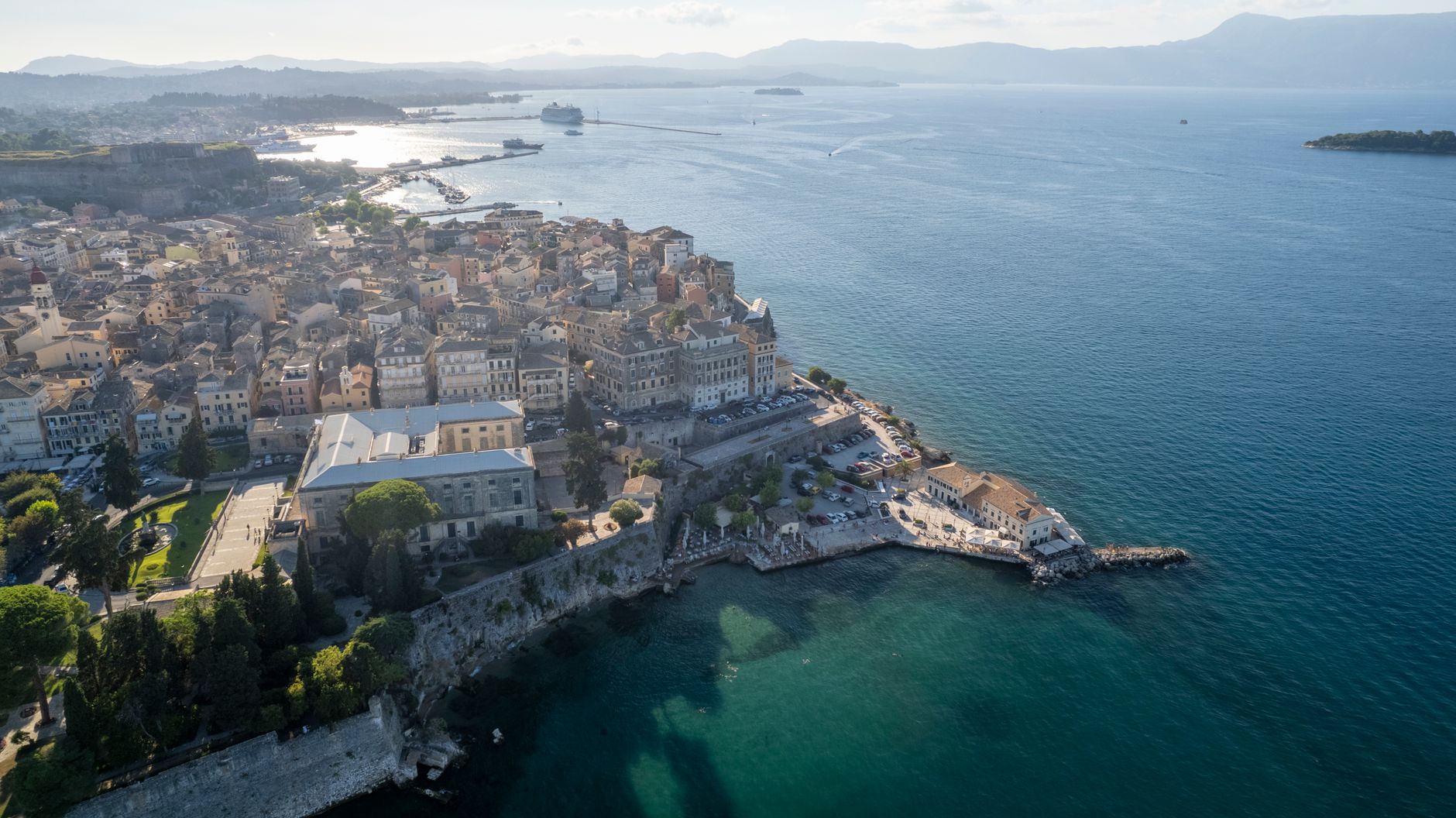
Capital of the regional unit, the city of Corfu is uniquely enclosed by two medieval fortresses built to defend against pirates and foreign powers. The old town was inscribed on the UNESCO World Heritage List in 2007. Throughout history, the island experienced rule by various powers, including the Republic of Venice and the British, leaving a distinct architectural legacy.
Beaches and Nature
Sporting a hot-summer Mediterranean climate, the island hosts diverse beaches such as Kassiopi, Sidari, Palaiokastritsa, and Agios Gordis. The local flora is dominated by olive groves and cypresses, while the fauna includes numerous bird species, mammals, and marine life inhabiting the surrounding waters and coastal lagoons.