The Rhodes Guide: History, Beaches and Travel Tips
A complete guide to the largest Dodecanese island for Israeli travellers, covering the old town, Lindos, beaches and practical tips.
- Rhodes is the largest Dodecanese island and the ninth largest in the Mediterranean.
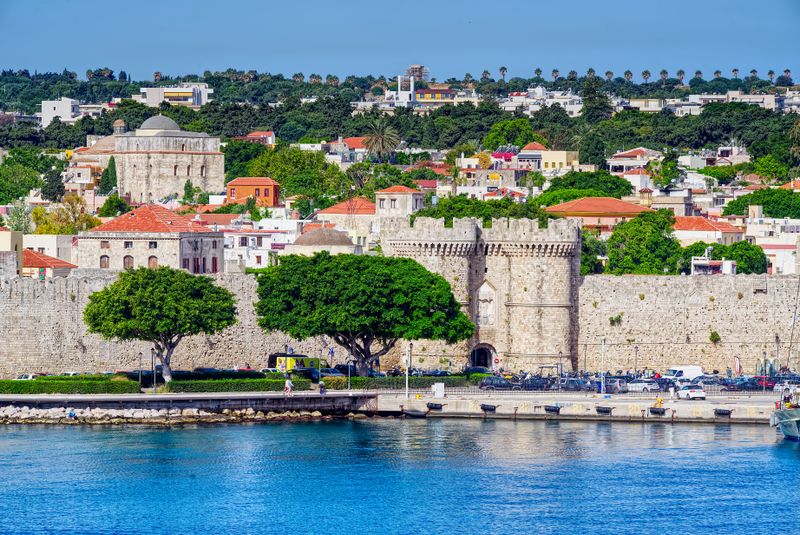
- The medieval Old Town is recognized as a UNESCO World Heritage Site.
- The island combines rich history, ancient ruins, and popular Mediterranean beaches.
This guide provides general information for Israeli tourists planning a trip to Greece. Check flight schedules, ferry connections, and official travel advisories from the Israeli National Security Council before departure.
Introduction to the Island of the Sun
Rhodes is located southeast of Athens and northeast of Crete. Known by nicknames such as "the Island of the Sun" and "the Island of the Knights," it was historically ruled by the Knights of Saint John from 1310 to 1522. Today, the island is among the most popular destinations in Europe.
The Medieval Old Town
The Old Town of the City of Rhodes is a well-preserved medieval walled city designated as a World Heritage Site. In ancient times, the island was famous for the Colossus of Rhodes, one of the Seven Wonders of the Ancient World. Throughout history, Dorians, Athenians, Romans, and Byzantines shaped its unique cultural landscape.
Key Areas and Sights
- Lindos: One of the ancient cities established by Dorians in the 8th century BC, featuring historical ruins.
- Rhodes City: The modern and historical capital situated on the northern end of the island.
- Coastal Areas: Numerous beaches span the coastline, offering various recreational options.
Getting Around and Practical Tips
The island is served by an international airport and local transport networks connecting towns and archaeological sites. Due to high visitor numbers during peak seasons, visitors are advised to plan transport and accommodation arrangements in advance.