Thessaloniki Guide: History, Culture, and Travel in Northern Greece
A comprehensive overview of Greece's second-largest city, its key sights, rich historical layers, and travel insights.
- Thessaloniki is the largest city in Northern Greece and a major economic and cultural hub.
- Founded in the 4th century BC, it features rich historical layers from Roman, Byzantine, and Ottoman eras.
- Key highlights include its expansive waterfront, the largest university in the Balkans, and annual international festivals.
What it means for you: Thessaloniki serves as an excellent gateway for travellers exploring Northern Greece, offering convenient access via its international airport and major port. Plan your visit around the historic landmarks, bustling markets, and the Thermaic Gulf promenade.
Introduction and Geography
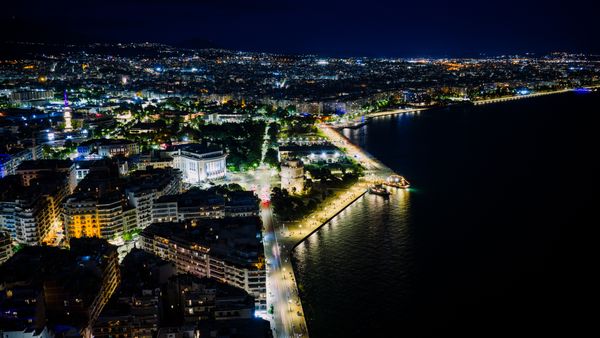
Thessaloniki is the capital of the Central Macedonia administrative region and the second-largest city in Greece. Located on the Thermaic Gulf at the northwest corner of the Aegean Sea, its metropolitan area is home to over one million residents. The city functions as a major transportation, economic, and commercial hub for Greece and southeastern Europe through the Port of Thessaloniki.
History and Heritage
Founded around 315 BC by King Cassander of Macedon, the city was named after his wife Thessalonike, the half-sister of Alexander the Great. Throughout history, it served as an important Roman trade hub along the Via Egnatia, the second-largest and wealthiest city of the Byzantine Empire, and a multi-ethnic metropolis during nearly five centuries of Ottoman rule following its conquest in 1430. The city exhibits remarkable Byzantine architecture, Roman structures, and Paleochristian monuments designated as World Heritage Sites.
Culture and Academic Life
The city is renowned for its vibrant cultural life and annual events, such as the Thessaloniki International Fair and the Thessaloniki International Film Festival. In 2014, it was recognized as the European Youth Capital. Its principal institution, Aristotle University, stands as the largest university in both Greece and the Balkans.
Visitor Tips
Travellers exploring the city will find a dynamic blend of ancient history and modern lifestyle, particularly along the coastal areas, historical districts, and vibrant local markets.