A Visitor's Guide to the Acropolis of Athens
An ancient citadel perched on a rocky outcrop containing some of the most significant architectural remains of the ancient world.
- The Acropolis rises 150 meters above sea level overlooking the city of Athens.
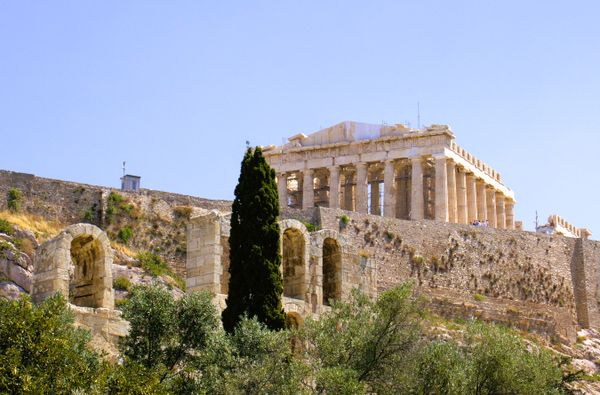
- The site features iconic ancient remains including the Parthenon, Propylaea, and Erechtheion.
- Most major surviving structures were built during the fifth century BC under the leadership of Pericles.
For travelers heading to Athens, visiting the Acropolis is a must-see historical experience. Check official visitor guidelines, book tickets in advance, wear comfortable walking shoes for the rocky terrain, and plan your visit early in the day to avoid peak crowds.
History and Origins of the Acropolis
The Acropolis of Athens is an ancient citadel located on a rocky outcrop above the city of Athens, containing the remains of several ancient buildings of great architectural and historical significance. The most famous among them is the Parthenon. The term acropolis derives from Greek words meaning the highest point of a city.
While evidence shows the hill was inhabited as early as the fourth millennium BC, it was Pericles in the fifth century BC who coordinated the construction of the buildings whose present remains are the site's most important features. These include the Parthenon, the Propylaea, the Erechtheion, and the Temple of Athena Nike.
Destruction and Reconstruction Through the Ages
The Parthenon and other structures suffered severe damage during the 1687 siege by the Venetians, when gunpowder stored inside the Parthenon by Turkish rulers exploded after being hit by a bombardment. In earlier periods, including the late Bronze Age, a massive Cyclopean wall was constructed to serve as the main defense for the citadel.
Following the Persian invasion and the destruction of the city, the site was cleared of debris, and damaged statues and religious offerings were carefully buried. During the Golden Age of Athens, a major reconstruction program restored the glory of the Acropolis, creating the monumental structures that continue to captivate visitors today.