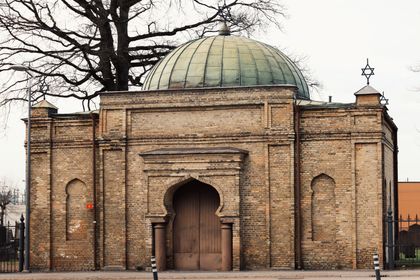
The Jewish Museum of Greece in Athens: A Visitor Guide
An overview of the history, collections, and development of the Jewish Museum in Athens, showcasing millennia of Greek Jewish heritage.
- The museum was established in 1977 by Nicholas Stavroulakis.
- Collections and archives contain over 10,000 cultural artifacts.
- Exhibits are spread across four floors in a specially renovated building.
For Israelis visiting Athens, the museum offers a meaningful cultural stop to explore the deep roots and history of Greek Jewry.
Background and Foundation
The Jewish Museum of Greece in Athens was founded in 1977 to preserve the material culture of Greek Jews. The founder, Nicholas Stavroulakis, created a permanent display initially built around personal valuables belonging to Greek Jewish victims of the Holocaust. Over the years, the collection expanded steadily, and in 1989 the institution received official non-profit status from the Greek government.
Moving to a Permanent Home
In 1998, the museum relocated to a separate, dedicated building in Athens. The site is a 19th-century house that was carefully renovated to retain its original facade while transforming the interior into a four-story museum space. Following this relocation, visitor numbers saw a significant increase in the subsequent years.
Exhibits and Collections
The museum's collections and archives now contain more than 10,000 artifacts. The exhibition reflects millennia of history within the Greek Jewish community, tracing developments as far back as the early Jewish presence around the 6th century BC. Alongside religious items and personal belongings from the Holocaust period, the museum features property returned after the Second World War, an art gallery, a periodic exhibition space, a research library, a photo archive, and conservation laboratories.