How Greek Politics Works: Parliament, Government, and Elections Explained
An overview of the political structure in Greece, the electoral system for parliament, the division of powers between the president and prime minister, and the judiciary.
- Greece is a parliamentary representative democratic republic with a president as head of state and a prime minister as head of government.
- The Hellenic Parliament has 300 members elected for a four-year term through a proportional representation system.
- The judicial branch includes civil and administrative courts, overseen by three supreme courts.
For anyone interested in Greece, whether for travel, investment, or residence, understanding the political framework helps clarify local regulations, administrative processes, and the legal environment. Always consult official channels for specific legal or bureaucratic inquiries.
Governance Structure in Greece
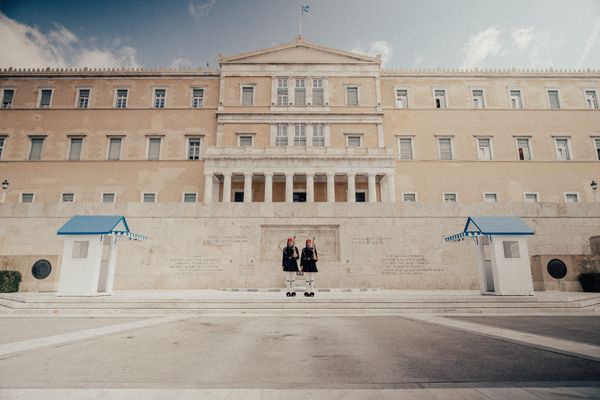
Greece operates as a parliamentary representative democratic republic, where the President serves as the head of state and the Prime Minister acts as the head of government. Legislative power is shared between the government and the Hellenic Parliament, while the judiciary remains independent of both the executive and legislative branches.
The Legislative Branch: The Hellenic Parliament
The Hellenic Parliament consists of 300 members elected for a four-year term. The electoral system utilizes a reinforced proportional representation framework across multiple constituencies. Parties must secure a minimum of 3% of the nationwide vote to enter parliament. The leading party may receive a sliding scale bonus of extra seats to help establish a workable governing majority.
The Executive Branch: President and Prime Minister
The President of the Republic is elected by Parliament for a five-year term and performs both ceremonial and constitutional executive duties, including declaring war or concluding international agreements upon government request. The Prime Minister, typically the leader of the party controlling the absolute majority of MPs, holds the central executive power, directs government activities, and recommends ministers for appointment.
The Judicial System
The judiciary in Greece is divided into civil and administrative courts. The system includes three supreme courts: the Court of Cassation for civil and penal matters, the Council of State for administrative disputes, and the Chamber of Accounts for specific areas such as public servant pensions. A Supreme Special Court resolves conflicts between these supreme bodies and rules on constitutional matters.
Administrative Divisions
Greece is organized into 13 administrative regions, further divided into regional units and municipalities led by popularly elected mayors and municipal councils. Local authorities often rely on the central government budget for financial support and operate under central administrative frameworks.