Northern Greece by season: when to visit Thessaloniki, Halkidiki and the mountains
What suits each season in northern Greece, Thessaloniki weather, and when to go for beaches, nature and snow.
- May–June and September: best for combining nature, city and beach.
- August is hottest and busiest; 15 August is a national holiday.
- Winter is properly cold: 1–11°C in Thessaloniki and snow in the mountains.
Northern Greece is different from the islands: in winter it suits city breaks and snow, in summer the Halkidiki beaches. Choose the season by what you want to do.
Northern Greece by season: what suits when?
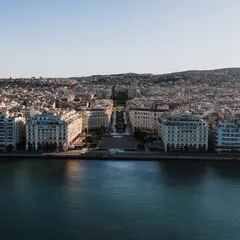
Northern Greece covers Thessaloniki, Halkidiki, Kavala and Thassos, and mountain and lake areas such as Kastoria, Edessa and Mount Olympus. The climate is more continental than on the islands: hot summers, colder winters and snow in the mountains.
Table based on long-term averages for Thessaloniki (1991–2020), from Climates to Travel:
| Season | Months | Thessaloniki (°C) | Rain days a month |
|---|---|---|---|
| Spring | March–May | 5–25 | 5–6 |
| Summer | June–August | 18–32 | 2–3 |
| Autumn | September–November | 8–27 | 4–6 |
| Winter | December–February | 1–11 | 5–6 |
Northern Greece in May and June
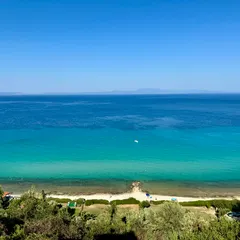
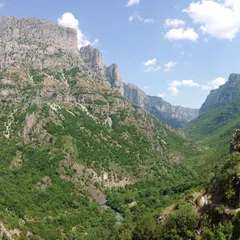
May (13–25°C in Thessaloniki) is excellent for nature trips: the Edessa waterfalls, Kastoria's lake and Mount Olympus are green, and it is not too hot yet. In Halkidiki the sea is still cool. June (18–30°C) opens the beach season in Halkidiki, before the July–August crowds.
Northern Greece in August
August is peak summer: up to 32°C in Thessaloniki and very little rain. Halkidiki and Thassos are at the height of the season, and beaches are busy. In the mountains (for example around Olympus) evenings are cooler. 15 August is a national holiday in Greece, and roads and beaches are especially busy.
Northern Greece in September
September (16–27°C) may be the best month to combine city and beach: the sea in Halkidiki is still warm, crowds drop and prices are lower. From late September some Halkidiki hotels start closing for the season.
Northern Greece in November and winter
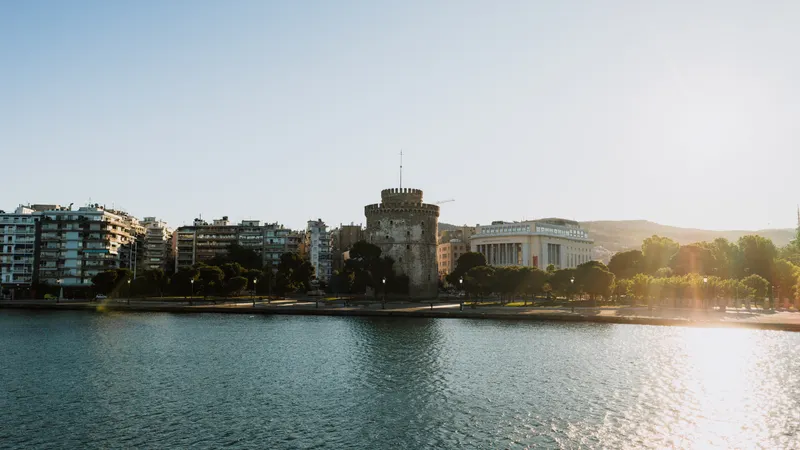
November (8–16°C) suits Thessaloniki as a city: food, markets and museums. The Thessaloniki International Film Festival is usually held in early November (check the dates on the festival site). Winter (December–February) is properly cold: 1–11°C in Thessaloniki and snow in the mountains. It is the season for ski resorts, lakeside towns and log fires. See ski resorts in Greece and northern Greece in winter.
How to get there
Thessaloniki has direct flights from Tel Aviv all year. Most northern destinations are a drive away: Halkidiki, Edessa, Kastoria and Olympus. See day trips from Thessaloniki, our Thessaloniki guide, Halkidiki and Kastoria.
What to pack for northern Greece
Summer: beachwear, a hat, and a light layer for evenings if you head to the mountains. Spring and autumn: a jacket, walking shoes for waterfalls and trails, and a small umbrella. Winter: a warm coat, gloves and a hat. Mountain roads can have snow and ice, so if you rent a car ask about chains or winter tyres.
Northern Greece in October
October (12–22°C on average in Thessaloniki) is pleasant for touring: autumn colours in the mountains, grape harvest and fewer tourists. In Halkidiki most beach hotels have closed, but Thessaloniki, Edessa and Kastoria are open all year.
FAQ
When is the best time to visit northern Greece? For nature and walking: May–June and September–October. For beaches: June to September. For snow: December to March, depending on that year's snow.
Is northern Greece cold in winter? Yes, colder than the south. Thessaloniki averages 1–11°C in January, and the mountains get snow.
Can you swim in Halkidiki in September? Yes. September is a good beach month in Halkidiki, with fewer crowds than August.
What is there to do in northern Greece in November? City life, food and culture in Thessaloniki, including the film festival, and day trips to Edessa and Kastoria.