Earthquakes in Greece: what to know and what to do
Greece is one of Europe's most seismically active countries. Most quakes are small and unnoticed, but it helps to know what to do.
- Greece has many earthquakes, mostly minor; most tourists never feel one.
- During a quake: drop, cover under a sturdy table and hold on. Falling objects are the main risk.
- After a strong undersea quake, move away from beaches and harbours and follow official instructions. The emergency number is 112.
Earthquakes are part of life in Greece and modern buildings follow strict codes. Small tremors are no reason to cancel a holiday, but know the basics.
Why so many earthquakes?
Greece sits where tectonic plates meet, making it one of Europe's most active countries. Many tiny quakes are recorded every week; felt quakes are occasional and strong ones rare.
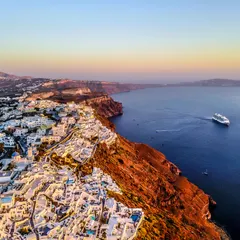
Recent examples: in February 2025 a long swarm around Santorini led to a state of emergency on the island. In May 2025 a magnitude 6.1 quake off Crete triggered a tsunami warning but caused little damage. Experts quoted by Euronews told tourists not to panic but to be aware.
Is it dangerous for tourists?
Usually not. Most quakes are weak and modern Greek buildings follow seismic codes. The main danger is falling objects: lamps, shelves, glass and rocks from cliffs. See is Greece safe for Israelis?.
During a quake
| Where | What to do |
|---|---|
| Indoors | Drop, get under a sturdy table, hold on; keep away from windows and shelves |
| In bed | Stay, protect your head with a pillow |
| Outdoors | Move away from buildings, poles and trees |
| Driving | Stop in an open area and stay in the car |
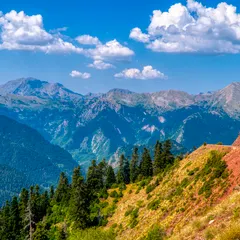
| Near cliffs | Move away from possible rockfall |
Do not run outside during shaking, and do not use lifts.
After a quake
- Check everyone is fine.
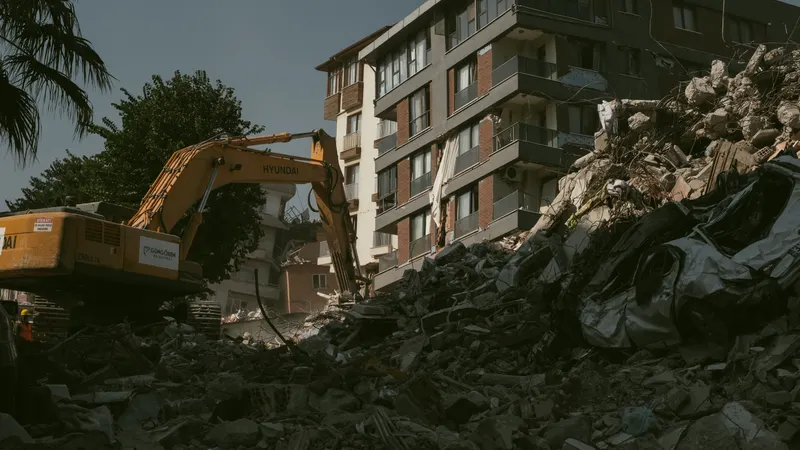
- If there is damage, leave carefully by the stairs.
- Expect aftershocks.
- Follow authorities and hotel staff.
- Let family know you are safe.
Undersea quakes and tsunamis
After a strong undersea quake, around magnitude 6, experts advise moving away from beaches and harbours to higher ground, even before a warning. If the sea suddenly retreats, leave immediately. Greece sends phone alerts via the 112 system.
Official information
- National Observatory of Athens, Geodynamic Institute for real-time data.
- EMSC (European-Mediterranean Seismological Centre) for maps and reports.
- 112, the European emergency number.
If travel plans are disrupted, see travel insurance for Greece.
FAQ
Was there an earthquake in Greece today? Small quakes happen almost daily. Check the Geodynamic Institute or EMSC for live data.
Should I cancel my holiday because of earthquakes? Usually not. Follow Greek authorities and your government's travel advice, especially after a swarm in a specific area.
What should I do if I feel a quake in my hotel? Drop, take cover under a sturdy table and hold on, away from windows. Do not run outside during shaking.
What is the emergency number in Greece? 112, the European emergency number.